Scope clarity
Materials, demolition, structure, finishes, exclusions, cleanup, and responsibilities are understandable in writing.

The best questions reveal how a contractor defines scope, documents changes, plans structural details, handles permits, communicates, and stands behind the completed work—not simply who offers the lowest number.
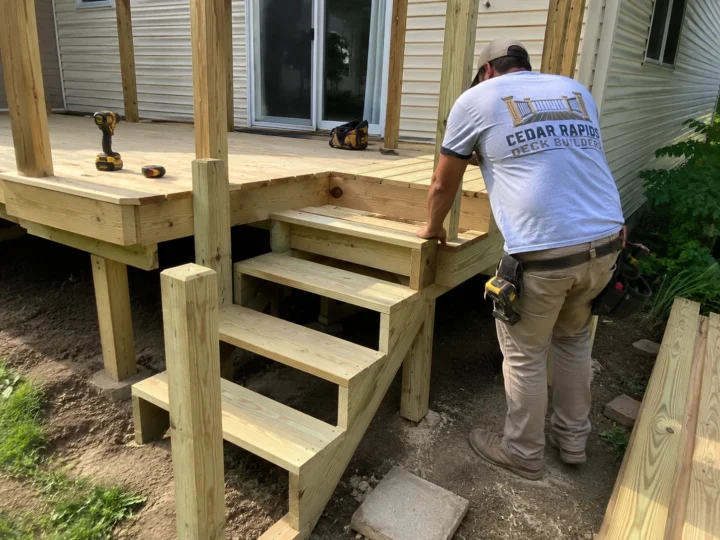
A contractor’s price matters, but the scope behind the price determines what you are actually buying. Strong questions expose whether the company has a repeatable process for planning, structural details, documentation, communication, jobsite protection, changes, and warranty responsibilities.
Materials, demolition, structure, finishes, exclusions, cleanup, and responsibilities are understandable in writing.
You know who communicates, who supervises, how selections are approved, and how schedule changes are handled.
Permits, insurance verification, concealed conditions, change orders, payment milestones, and warranty coverage are addressed.
A useful proposal identifies demolition, framing, decking, railing, stairs, access, cleanup, materials, allowances, exclusions, and responsibility for permits. Vague descriptions make competing estimates difficult to compare.
Discuss footings, ledger attachment, flashing, beams, joist spans, blocking, stairs, guards, and how concealed damage will be handled. The contractor should be willing to explain why a detail is appropriate for the project.
A clear written scope should identify the actual service being proposed; our custom deck building page shows the decisions a complete new-build scope should address. Learn more about custom deck building process
Request current insurance or contractor credential information when it matters to your decision. Ask what warranty applies to the specific scope and product, and get the applicable coverage in writing.
Confirm who communicates with you, how schedule changes are handled, when selections are due, how change orders are approved, and what happens if hidden damage or site conditions alter the plan.
These services are the closest match for the conditions and decisions covered in this guide.
Photos and checklists can help organize questions, but they cannot confirm concealed conditions, dimensions, fasteners, footing depth, structural capacity, or local requirements. If safety, load capacity, or the correct scope is uncertain, limit use as appropriate and have the property evaluated in person.
Review how design goals, structure, materials, and site conditions fit together.