
Winter Deck Damage Repair in Cedar Rapids
We address deck problems that appear or worsen after snow, ice, trapped moisture, temperature swings, and spring ground movement—from lifted boards and loose stairs to railing movement, drainage concerns, and damaged support components.
- Post-winter boards, fasteners, stairs, railings, and connections
- Moisture paths, drainage, frost movement, and new softness reviewed
- Limited repair, structural work, or replacement direction based on the condition found
Season-specific deck repair • Eastern Iowa weather context • Cedar Rapids and nearby communities
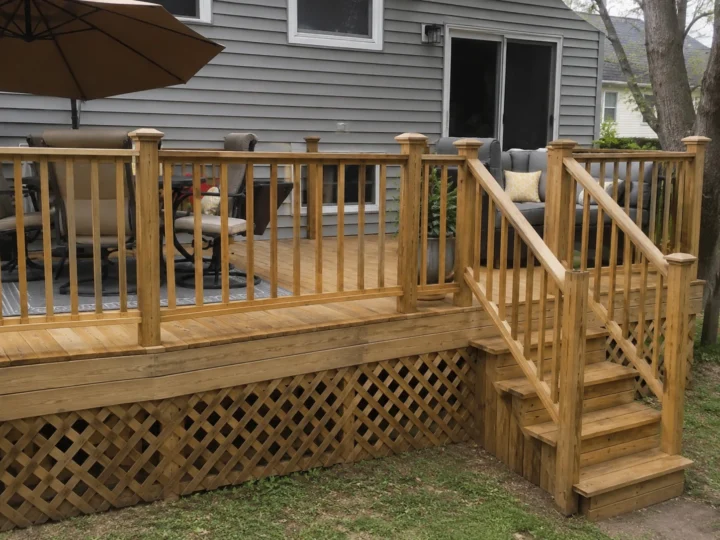
Look beyond normal weathering when the deck feels different after winter
Faded color and surface checking may be maintenance concerns. New movement, softness, separation, raised fasteners, unstable access, or drainage changes can point to a repair need.
The useful question is not simply whether winter caused the problem. It is which components changed, whether safe use is affected, and what scope will correct the condition.
- Boards or fasteners lifted after freeze-thaw cycles
- Stairs or railings feel looser than last season
- Posts, landings, or supports appear shifted
- Water collects where snow or ice remained
- Softness or rot appears near edges and connections
- The deck developed new sagging, noise, or separation
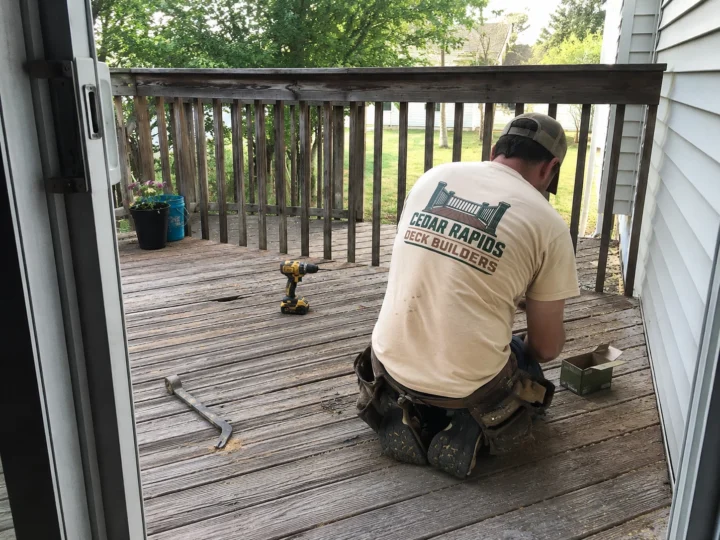
Follow the seasonal symptom to the affected components
Post-winter problems can involve the surface, access system, supports, water path, or several areas at once.
Boards and fasteners
Review raised fasteners, split boards, sharp edges, softness, trapped debris, movement, and areas that remain wet.
Stairs and railings
Check treads, stringers, landings, handrails, guard posts, gates, and connections exposed to snow and ice.
Supports and footings
Observe settlement, frost movement, leaning posts, failed bases, bearing changes, and new movement at beams or connections.
Ledger and drainage
Review separation, water entry, flashing concerns, blocked gaps, downspouts, snow storage, and runoff directed toward the deck.
Address active movement and damage before the deck is heavily used
Furniture, planters, grills, and gatherings add load and can hide developing conditions. A spring review is useful when the deck changed noticeably over winter.
Compare to last season
Document new movement, softness, noise, gaps, raised fasteners, leaning components, and areas that stayed wet or icy.
Limit unsafe use
Avoid heavily loading areas with severe softness, unstable stairs or guards, visible support movement, or separation until evaluated.
Correct the cause where practical
Pair repairs with drainage, downspout, flashing, airflow, snow-placement, or maintenance changes that reduce repeated exposure.
Start with what changed and when you first noticed it
A useful estimate should identify the visible condition, affected components, repair limits, structural work if needed, materials, access, cleanup, and how concealed damage will be handled.
- 01
Document the change
Send current photos plus any earlier photo that shows the area before winter, and note when movement, softness, or separation appeared.
- 02
Show the water and support paths
Include views of downspouts, grade, footings, posts, deck edge, stairs, railings, ledger area, and underneath where accessible.
- 03
Define the right response
Separate maintenance from repair, structural work, resurfacing, or replacement and document the chosen scope in writing.
Did your deck change over the winter?
Send photos of the affected area and tell us what feels different now compared with last season.
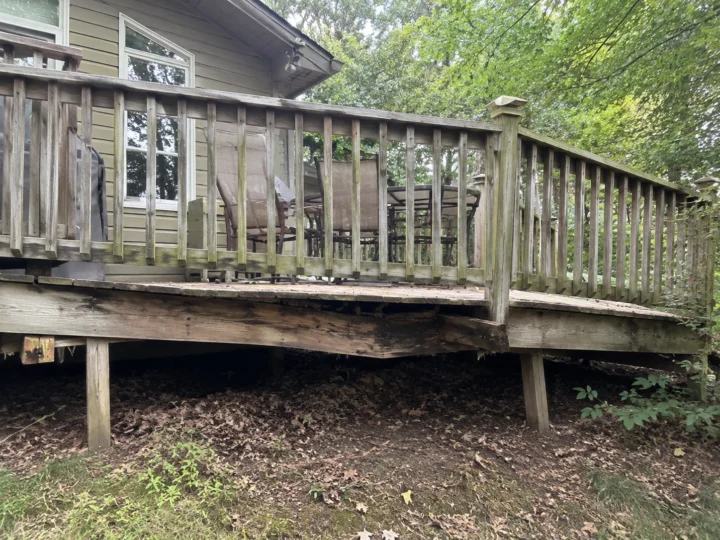
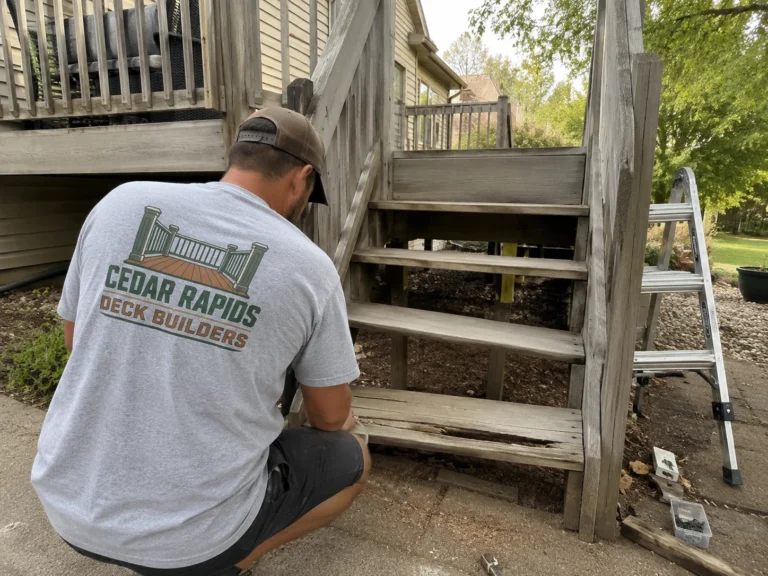
See boards, stairs, and repair conditions exposed after winter
These project and jobsite photos show weathered surfaces and repair work related to the kinds of problems homeowners often notice after winter.
Deck Repair Focused on Eastern Iowa Winters
Snow, ice, freeze-thaw cycles, spring rain, clay-soil movement, trapped moisture, and changing drainage can expose weak connections and damaged materials on Eastern Iowa decks.
Questions About Winter Deck Damage
What deck problems commonly become visible after winter?
Homeowners may notice lifted fasteners, split or soft boards, loose stairs or railings, shifted landings, drainage changes, new gaps, movement, or water-related damage after snow, ice, and freeze-thaw cycles.
How is this different from general deck repair?
This page is for problems that appeared or noticeably worsened after winter conditions. Deck Repair remains the broader year-round service for common damage unrelated to a specific season.
Does winter damage mean the whole deck must be replaced?
No. The correct response may be limited repair, structural work, resurfacing, or replacement depending on which components are affected and what remains dependable.
What photos should I send after winter?
Send wide and close views of the changed area, stairs, railings, supports, footings, drainage, home connection, and underside where safely accessible. An older comparison photo can also help.
Where do you handle post-winter deck damage?
Projects may be considered in Cedar Rapids and nearby Eastern Iowa communities shown on our Service Areas page, depending on scope and schedule.
Address post-winter deck problems before heavy use returns
Show us the movement, softness, damage, or drainage change you noticed after winter.