Deck Repair
Fix soft boards, loose railings, unstable stairs, movement, rot, and other problems that make your deck harder to trust or enjoy.
See deck repair options
Turn a worn, awkward, or underused deck into a safer outdoor space with better stairs, more comfortable coverage, and a layout that makes the backyard easier to enjoy.
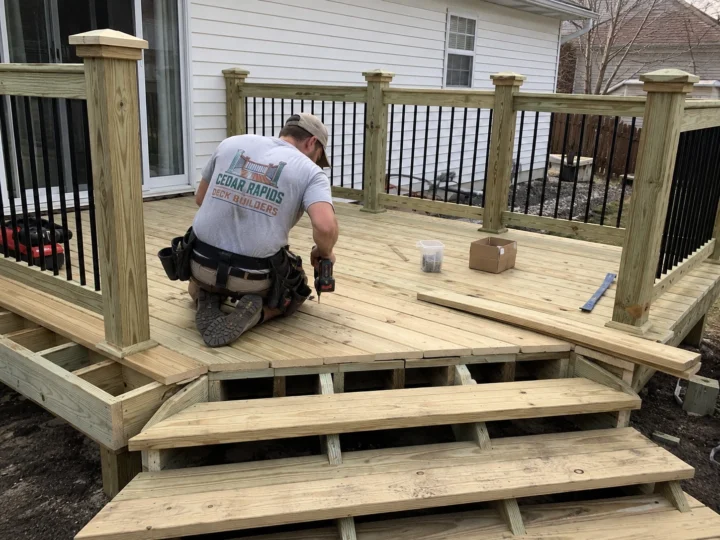
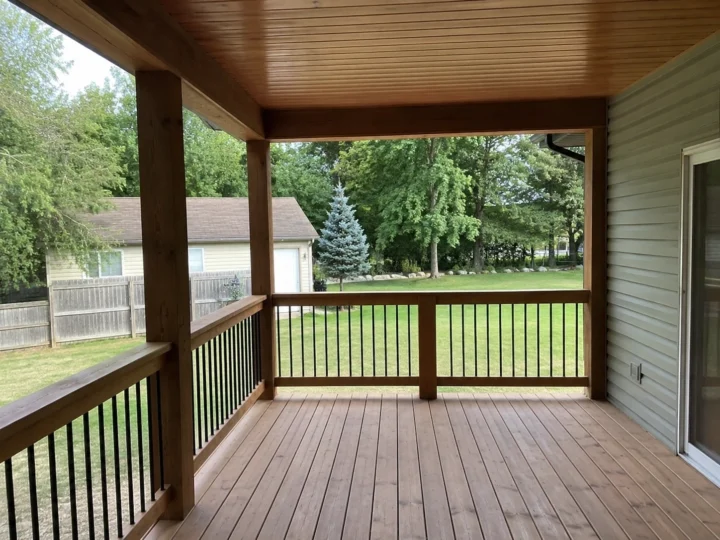
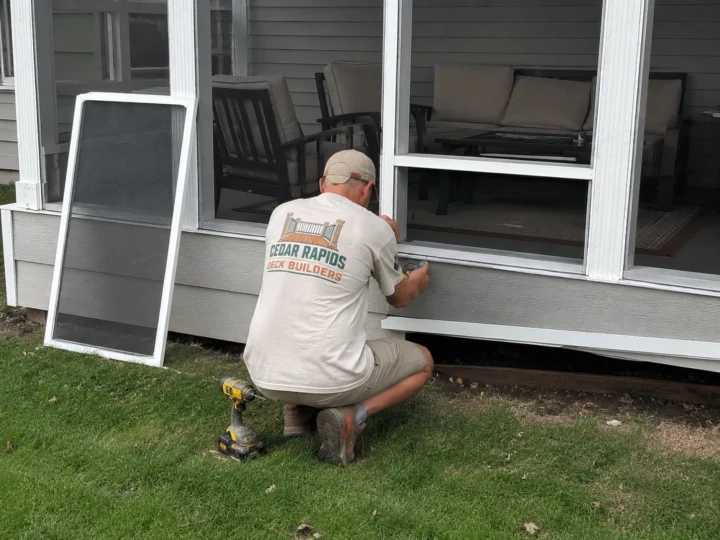
The Hiawatha project photos on this page show a wide stair rebuild, a finished covered deck, and screened-porch trim work.
A useful deck needs enough room for furniture, grilling, and easy movement while preserving a comfortable connection to the yard. Thoughtful stairs, selective privacy, and the right amount of coverage can make a major difference without overcomplicating the design.
For an older deck, the first goal is dependable use. Worn boards, loose railings, and unstable stairs should be addressed before spending money on appearance-only upgrades.
From a focused stair repair to a covered or screened outdoor room, the right improvement should solve a problem you feel every time you use the space.
Fix soft boards, loose railings, unstable stairs, movement, rot, and other problems that make your deck harder to trust or enjoy.
See deck repair optionsReplace steep, worn, unstable, or poorly placed stairs with safer access that feels natural between the deck and yard.
See deck stair replacementAdd lasting shade and weather protection so your deck stays more comfortable through more of the season.
Explore covered decksCreate a protected outdoor room with screening, roof coverage, comfortable circulation, and details that fit your home.
Explore screened spacesA better deck makes the most of the available footprint without sacrificing light, airflow, privacy, or yard access.
Keep doors, furniture, grills, and stairs from competing for the same small area.
Block the views that bother you while preserving daylight, airflow, and openness.
Make stairs, railings, and landings feel secure and comfortable for everyday use.
Send the Hiawatha project address, several clear photos, and a short description of what you want to build, repair, replace, or improve. Include any material preferences or features you already have in mind.
Repair may be the better value when the problems are limited and the surrounding structure remains dependable. Replacement becomes more practical when damage, movement, unsafe access, or a poor layout affects several parts of the deck.
Possibly. The existing deck must be able to support the desired improvement, and the roof, posts, drainage, clearances, entrances, and relationship to the home all need to be considered.
Often, yes, when the landing area and the deck structure supporting the stairs remain dependable. The new stair width, rise, run, railings, landing, and route into the yard still need to work together.
If the property is outside Hiawatha, choose a nearby community or view the complete service-area list.
Share photos of the deck, stairs, yard, and any problem areas. Tell us what you want the finished space to do better.