Practical guidance for evaluating an existing deck, planning a project, and knowing what to ask before you hire. Each guide points to the service that fits the next decision.
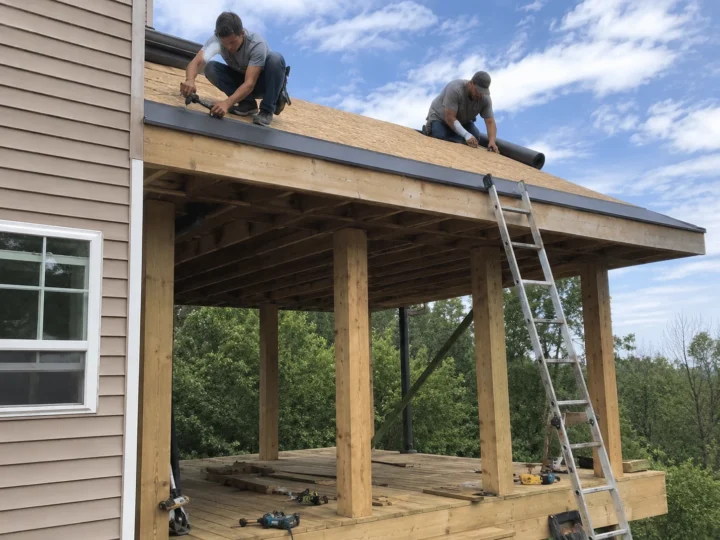
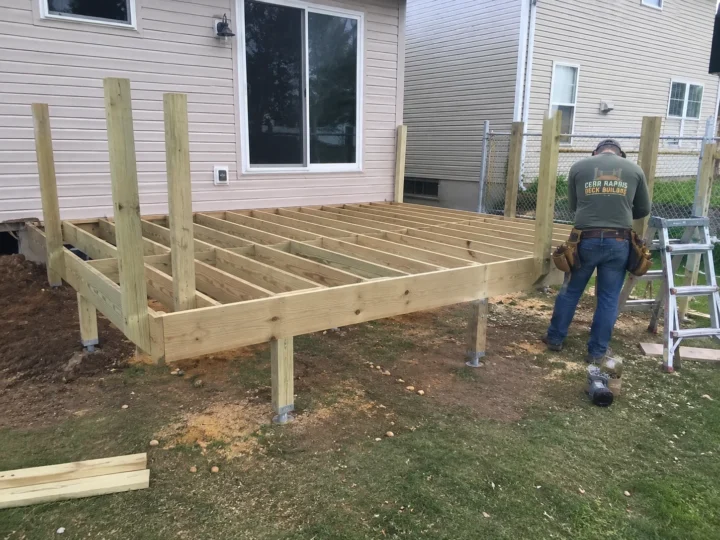
An existing deck may be usable, may need reinforcement, or may need replacement. The decision depends on the foundation, posts, beams, ledger, connections, dimensions, condition, and the loads created by the proposed roof or screen system.
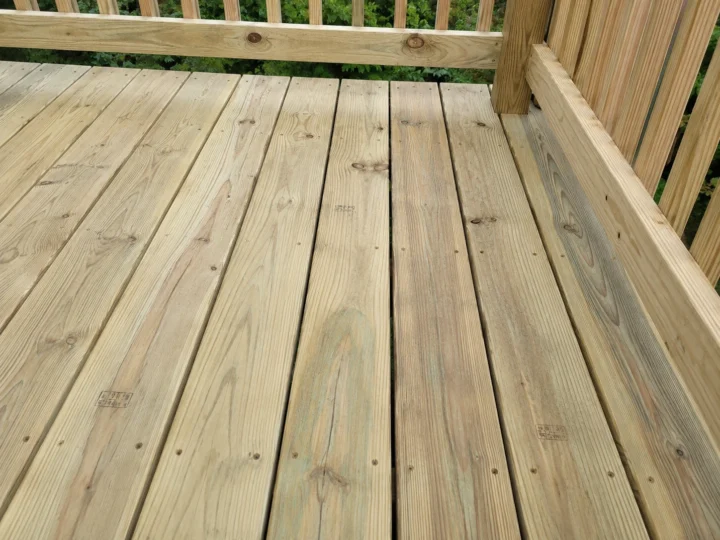
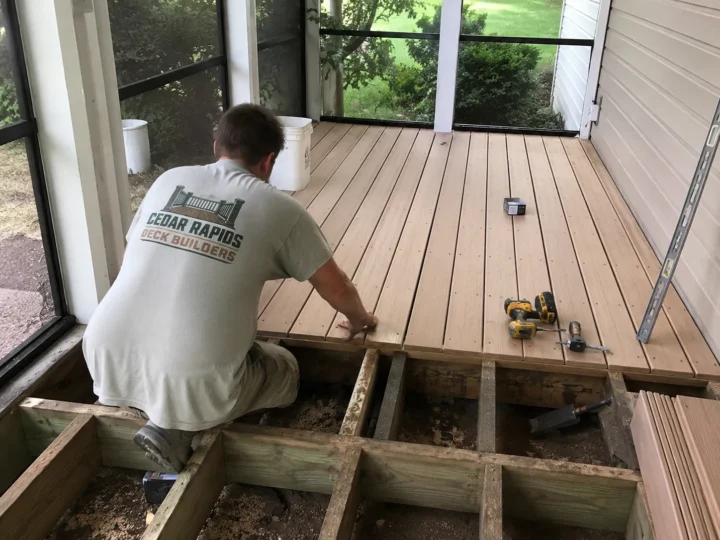
Often it can—but the framing condition, joist spacing, flatness, ventilation, fasteners, stair details, and manufacturer requirements must be checked before old boards are replaced. Composite boards do not correct weak or deteriorated framing.
The best questions reveal how a contractor defines scope, documents changes, plans structural details, handles permits, communicates, and stands behind the completed work—not simply who offers the lowest number.
Iowa decks experience freeze-thaw cycles, snow, summer heat, humidity, rain, and large temperature swings. Good performance depends on drainage, flashing, ventilation, fastening, movement allowances, and material-specific maintenance.
Permit and inspection requirements vary by jurisdiction and scope. Early planning should establish the authority having jurisdiction, property constraints, proposed dimensions, structural approach, utilities, and who is responsible for submissions and inspections.
Good preparation protects access, reduces delays, and prevents last-minute surprises. Confirm the work zone, pets and children, utilities, outdoor items, parking, material staging, landscaping, and communication before the crew arrives.
Localized damage may justify repair; widespread deterioration, recurring movement, unsuitable framing, or a layout that no longer meets your needs may make replacement the better investment. The decision should follow a structural and scope-based evaluation.
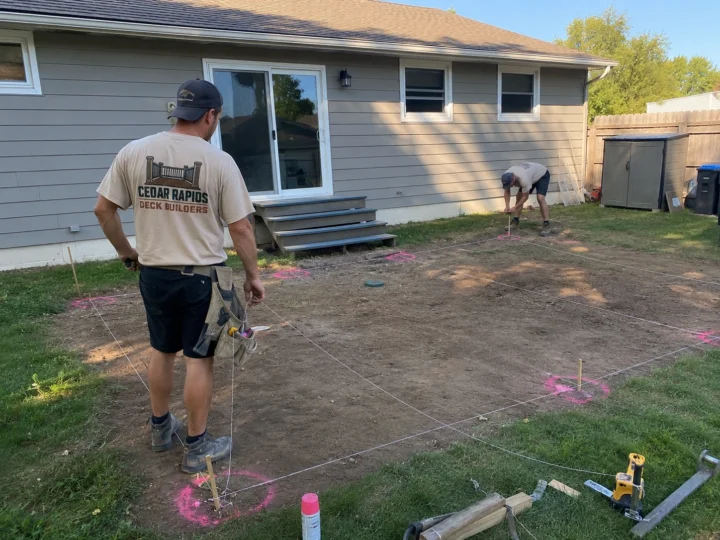
A useful deck estimate is a project-discovery process: the contractor reviews goals, existing conditions, access, measurements, structure, material choices, constraints, and responsibilities before preparing a written scope and price.
Movement, decay, pulling connections, failing stairs or guards, damaged posts or beams, and ledger problems deserve prompt attention. A homeowner checklist can identify warning signs, but it cannot certify that a deck is safe.
For qualifying new 10' × 10' wood decks under optimal site and design conditions.
20-PACKAGE FALL RELEASE
20 AVAILABLE12 REMAINING
Packages are reserved as qualifying projects are approved and scheduled.
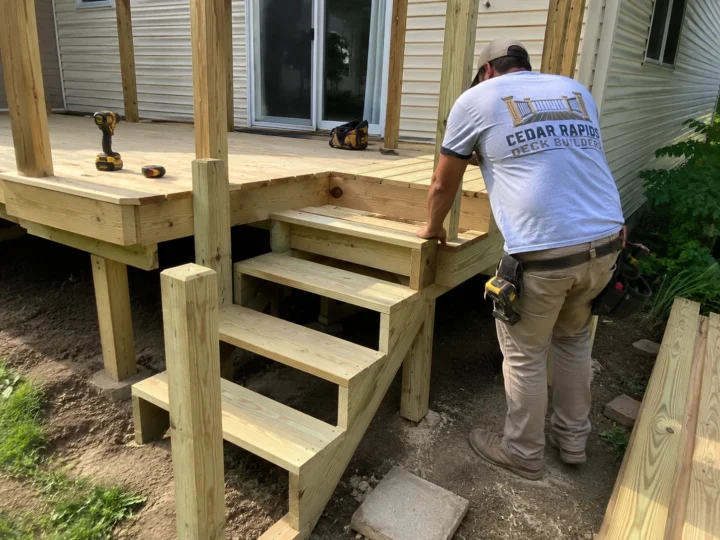
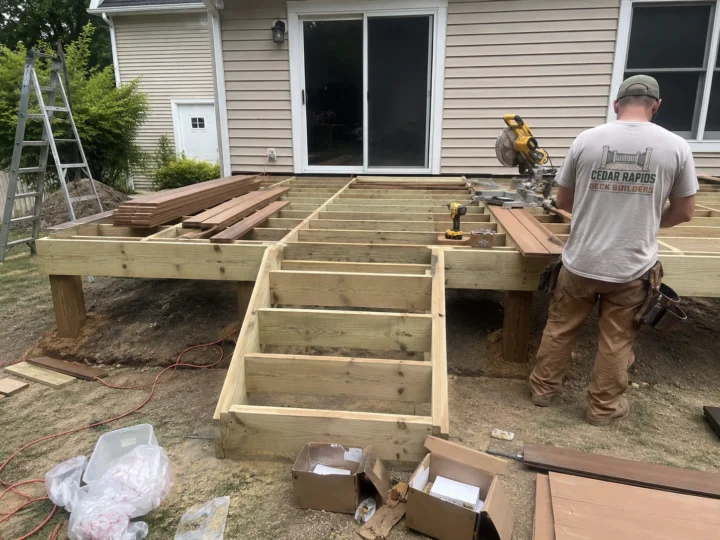
New wood deck construction
Professional installation
Free project estimate
Local Cedar Rapids deck builder
*Starting price applies to qualifying 10' × 10' new wood deck projects under optimal site, access, design and construction conditions. Final pricing varies based on deck height, footings/foundation requirements, stairs, railings, demolition or removal, permits, materials, site access, grading, structural requirements, design selections and other project-specific conditions. Some restrictions apply. Offer subject to availability and project qualification.
See If Your Deck Project Qualifies
Send us the basics. Photos of the project area can help us evaluate it faster.